

Each year the World Economic Forum publishes a list of ten emerging technologies it expects to have a significant impact on the world in the next few years. In June 2024, high-altitude platform stations made that list. It is a notable vote of confidence. Here is why HAPS are getting attention now.

Why now?
The idea of putting equipment in the stratosphere is decades old. What has changed is the hardware. Better solar cells and batteries, lighter composite materials and more capable avionics make it more realistic for a platform to stay at altitude for long periods and do useful work while it is there.
HAPS take several forms, including balloons, airships and aircraft, and typically operate around 20 km up. From there, a platform sits above air traffic and most weather, with a view that stretches for hundreds of kilometres.
What HAPS are recognized for
Connecting people. Bringing internet access to places that towers and satellites serve poorly, with knock-on benefits for education, health care and local economies.
Responding to emergencies. Platforms can be deployed quickly to restore communications or provide a view over a disaster area.
Watching the planet. Persistent, wide-area observation for environmental monitoring, agriculture and public safety.
Where Stratotegic fits
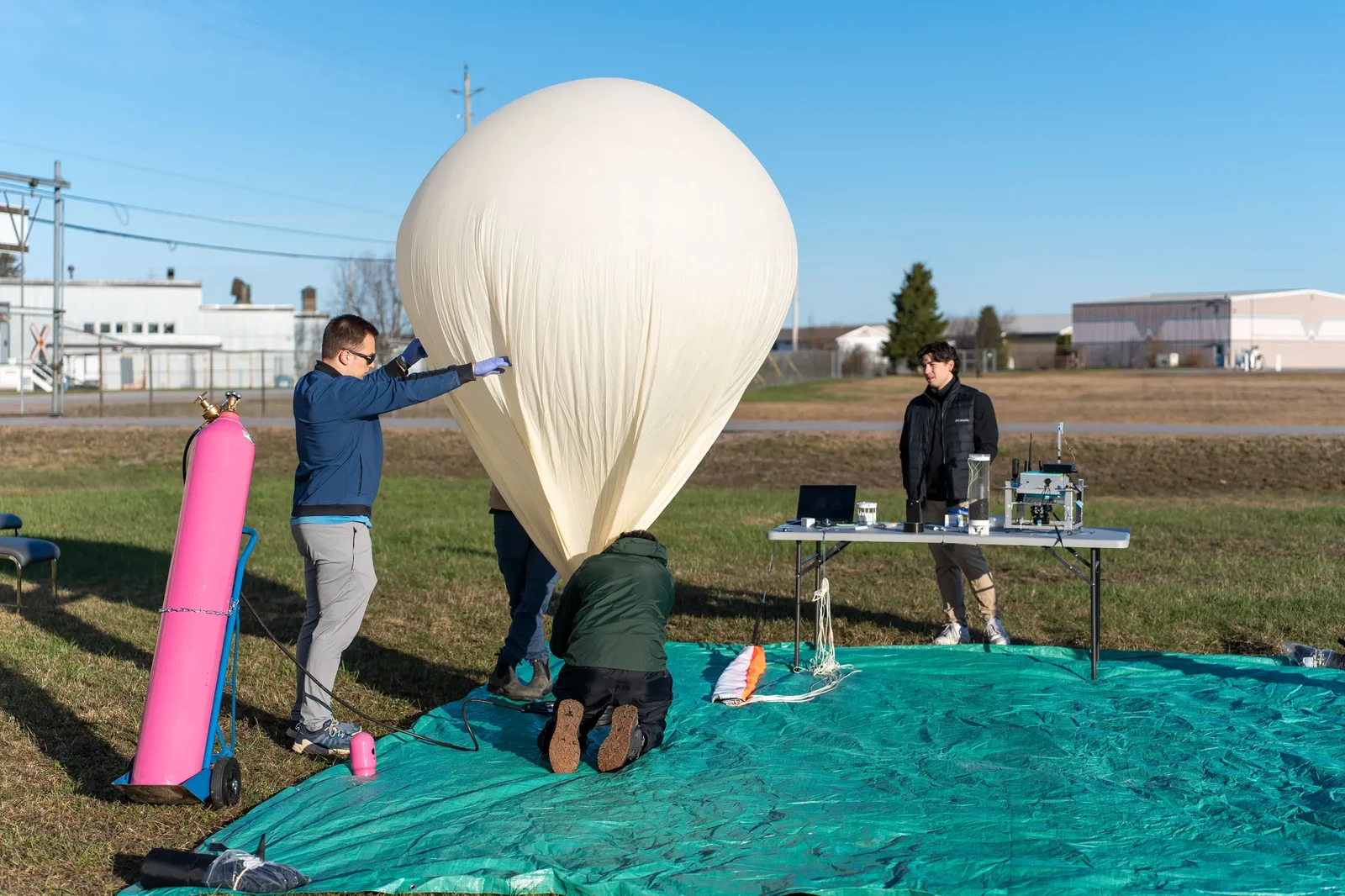
We are a Canadian team developing StratoHAB, a navigable high-altitude balloon that carries cameras, sensors and communications equipment. Our first focus is wildfire response, where a persistent view from above could help crews follow a fire as it moves. We also support defence and research missions and offer high-altitude missions as a service.
New to the technology? Start with our guide, What is a HAPS?